

The supply chain is an essential section of a business's success. It's the procedure of getting an item from its source to the customer. To make sure that the supply chain runs smoothly, businesses must use demand forecasting to accurately predict customer needs. This can help them adjust inventory levels accordingly and ensure they have the proper amount of materials and products on hand when needed. Let's take a look at how businesses can optimize their supply chains using supply chain management.
The Advantages of Demand Forecasting
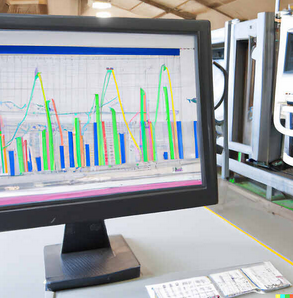
Demand forecasting is an important tool for businesses because it can help them forecast future customer demand so they can make adjustments as needed. By using this method, companies can anticipate future needs and plan ahead to generally meet those needs with greater accuracy. Additionally, by understanding customer trends, companies can identify potential aspects of growth and capitalize on them quickly and efficiently. This permits them to optimize their supply chains and maximize profits in the long run.
Just how to Implement Demand Forecasting
There are several steps businesses should take when implementing demand forecasting within their supply chain process:
1) Identify customer trends – Companies should first identify key customer trends to be able to better understand what customers need or want from their products or services. Including identifying sales patterns over time and analyzing seasonal changes in customer buying habits. Understanding these trends may help companies better anticipate future demand for their products or services.
2) Analyze data – Once companies have identified key customer trends, they ought to then analyze data gathered from past sales records, surveys, competitive research, and market analysis in order to gain an improved comprehension of market conditions. This information can help businesses create more accurate forecasts of future demand for his or her products or services.
3) Establish goals – Businesses must also establish specific goals when implementing demand forecasting to their supply chain process to be able to measure progress over time and ensure they are meeting customer needs effectively. These goals must certanly be realistic yet challenging to ensure that businesses can continually strive for improvement while remaining realistic about what is achievable within confirmed timeframe.
4) Track results – Finally, businesses should track the results of the efforts as time passes to be able to determine if their strategies are working as intended. By regularly measuring performance against established goals, companies will make adjustments as needed in order to optimize their supply chains and ensure they are meeting customer demands efficiently and effectively.

Conclusion:
Using demand forecasting is a fruitful method for businesses to optimize their supply chains by anticipating future customer needs so they can adjust inventory levels accordingly and maximize profits in the long run. By making the effort to spot key customer trends, analyze relevant data, establish goals, and track results with time, businesses can implement a powerful demand forecasting strategy that will assist them stay prior to the competition while meeting all customer demands quickly and efficiently. With this process in place, businesses will soon be well-positioned for success both now and as time goes on!